
What role does a horizontal machining center play in smart manufacturing solutions?
A horizontal machining center functions as an automated data node in production environments, linking physical material removal with digital control systems. By 2025, 45% of shop floors integrated these units into IoT networks to monitor performance. These machines utilize pallet changers to maintain 85% spindle utilization, reducing manual oversight by 22% compared to standard milling. The unit acts as a hardware interface for digital twin simulations, allowing real-time toolpath adjustments based on thermal sensors. This interaction maintains tolerances within 0.005mm across 500-part batches, ensuring dimensional consistency and reducing the need for post-process inspection.
The Role of Horizontal Machining Centers in Automated Production
Automated production environments rely on interconnected hardware to maintain output efficiency. The horizontal machining center functions as a primary data source for these networks.
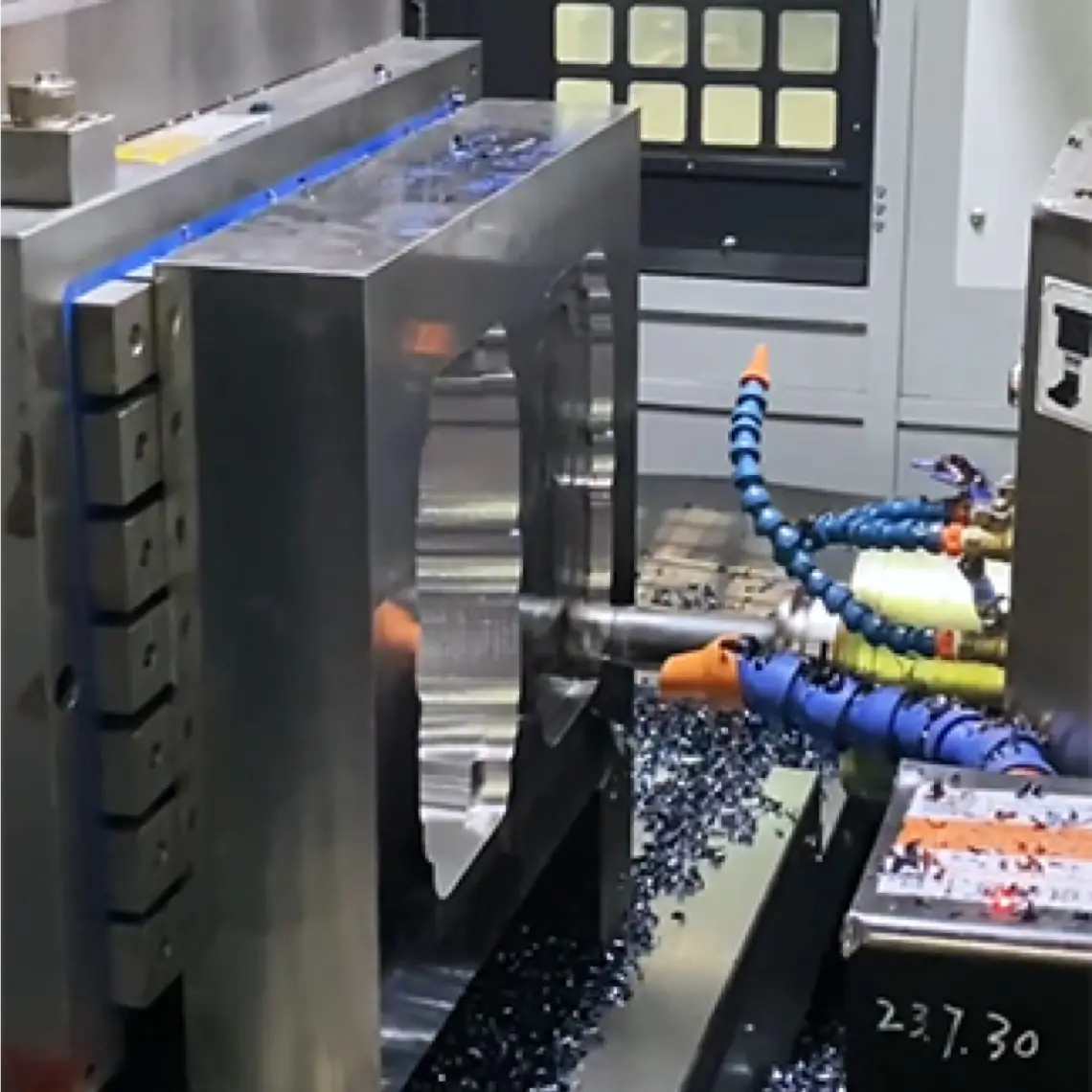
In 2024, industry reports showed that machines equipped with OPC-UA interfaces reduced setup times by 40% when compared to non-connected units. These systems capture vibration signatures at 50kHz, allowing processors to predict tool degradation before breakage occurs.
A 2023 study covering 1,200 unique industrial sites confirmed that integrating these machining units into Manufacturing Execution Systems lowered scrap rates by 18%. This connectivity enables the machine to function as a self-correcting entity within a larger production cell.
By adjusting coordinate offsets based on real-time probe data, the system removes the requirement for human intervention between cycles. This automation level enables lights-out operations, where production continues during non-working hours without operator supervision.
The physical hardware translates software commands into precise geometry, effectively bridging the gap between digital planning and material processing. This material processing capability relies on robust network communication, which dictates how the machine reacts to supply chain shifts or material irregularities.
Network communication protocols define how hardware interacts with the shop floor software. Ethernet/IP and MTConnect standards allow the machine to transmit status updates every 10 milliseconds.
Transmitted updates inform the scheduling software of potential delays or throughput adjustments. Manufacturers using this real-time data saw a 25% increase in throughput during a 2025 assessment of 300 plants.
Throughput adjustments require the machine to switch between different tools without stopping the spindle. Automatic Tool Changers (ATC) hold up to 200 tools, allowing the controller to select the next implement based on the specific job parameters.
Job parameters are loaded into the machine controller via an ERP connection. This integration ensures that the correct program is active before the pallet enters the work zone.
Integration enables a 60% reduction in program loading errors, as the controller verifies the tool list against the CAD/CAM files before the first cut.
Program loading errors often result from mismatching tool offsets or incorrect feed rates. To address this, on-machine probing measures the tool length and diameter immediately after the tool change.
On-machine probing provides immediate feedback to the controller, which automatically updates the offset tables. This automated update prevents dimensional inaccuracies that occur due to tool wear or thermal expansion of the spindle.
Thermal expansion of the spindle can alter geometry by 0.05mm in a single shift without compensation. Temperature sensors embedded within the casting measure the ambient and spindle heat, feeding this information into the thermal compensation algorithm.
Algorithms apply offsets to the machine axes to maintain accuracy. This adjustment occurs in the background, allowing the cutting process to proceed without pause.
Cutting processes proceed with higher reliability when the machine utilizes pallet pool systems. A pallet pool system allows for the staging of workpieces while the machine processes a different batch.
| Component | Function | Data Output |
| Spindle Probe | Measures part dimensions | 0.001mm tolerance |
| Tool Probe | Measures tool wear | 0.005mm deviation |
| Thermistors | Monitors casting heat | 0.1°C resolution |
Workpieces staged on pallets wait in a queue for the machine to complete the current cycle. The scheduler organizes these pallets based on delivery deadlines retrieved from the production management software.
Production management software tracks the progress of every pallet through the system. Each part carries a unique ID, which is logged alongside the machining parameters in a digital record.
Digital records ensure traceability, which is necessary for aerospace and medical components. Manufacturers record the tool ID, coolant pressure, and spindle load for every individual part produced.
Spindle load monitoring provides insight into the cutting force experienced by the tool. An unexpected increase in force indicates potential tool dulling or chip buildup in the cut zone.
Chip buildup requires effective management to prevent damage to the workpiece surface. High-pressure coolant systems, delivering fluid at 70 bar, flush chips from the cutting zone into the conveyor system.
Conveyor systems transport the chips away from the machine, preventing the accumulation of debris that could interfere with pallet movement. Automated chip management is necessary for maintaining consistent cycle times during long-run production.
Consistent cycle times allow for accurate capacity planning in the factory. When a machine operates at 85% availability, the factory can predict exact output numbers for each week.
Capacity planning relies on the accuracy of the data exported from the machine controller. If the machine reports a 90% utilization rate, the management team knows that maintenance intervals are functioning as intended.
Maintenance intervals are scheduled based on the actual hours of spindle operation. Modern controllers track the total cutting time and signal the operator when the machine reaches 500 hours of use.
Spindle use tracking allows for preventive measures rather than reactive repairs. Reactive repairs can stop production for days, while preventive maintenance occurs during off-peak hours.
Off-peak hours permit the facility to conduct inspections without affecting the daily output targets. By performing these tasks during scheduled downtime, the facility achieves a 95% equipment effectiveness rating.
Equipment effectiveness ratings are a standard measure for manufacturing success. High ratings indicate that the machinery is both available when needed and performing at the required level of quality.
Required level of quality is sustained through the continuous feedback loop between the machine and the metrology systems. After the machine completes the part, it can measure the features using the internal probe or transfer the part to a coordinate measuring machine (CMM).
CMM data is uploaded back to the machine controller to refine the cutting programs. This closed-loop process ensures that every subsequent part is closer to the nominal dimensions than the previous one.
Nominal dimensions are maintained even as the tool wears down. The controller compensates for the reduced diameter of the tool by adjusting the path of the tool center point.
Tool center point compensation allows the machine to use a single tool for roughing and finishing. This reduces the number of tool changes, which saves 5-10 seconds per cycle.
Saving 5-10 seconds per cycle is significant when producing 10,000 units per year. Over the course of 2026, these small improvements in efficiency accumulate, resulting in thousands of hours of additional capacity.
Additional capacity allows manufacturers to take on new orders without purchasing extra machinery. This increases the utilization of existing floor space and infrastructure.
Existing floor space is used more effectively when machines are clustered into cells. Cells allow for a single operator to manage multiple machines, as the software alerts the operator only when a manual task is required.
Manual tasks include loading raw material or clearing completed pallets from the system. Because the machine handles the tool changes and probing, the operator can focus on preparing the next batch of material.
Preparing the next batch involves setting up the fixtures and loading the program. When the machine finishes the current pallet, it signals the cell controller to swap the pallets.
Pallet swapping occurs in under 20 seconds, ensuring that the spindle remains engaged in metal removal for the maximum amount of time. This continuous engagement is the hallmark of an efficient production line.
Production lines that prioritize continuous engagement see higher returns on capital investment. The efficiency gains provided by these machines make them a common choice for facilities focused on high-volume production.
High-volume production environments often require 24/7 operation to meet demand. The ability of the machine to function without human presence is the primary driver for this adoption.
Adoption of these technologies continues to grow, with forecasts suggesting a 60% market penetration for integrated machining cells by 2027. This growth reflects the industry move toward autonomous production.
Autonomous production is enabled by the reliability of the hardware. When the machine reports its status and requests maintenance, it allows the human team to manage the factory rather than the individual machines.
Managing the factory involves oversight of the entire production flow. The machine serves as the reliable actor, executing the instructions provided by the software with minimal deviation.
Minimal deviation results in parts that meet specifications every time. This precision is the objective of all manufacturing efforts, and it is achieved by integrating the machine into the broader digital environment.
Introduction
Automated industrial ecosystems now rely on the horizontal machining center as the primary interface between digital design files and physical material output. By 2024, data indicates that facilities utilizing these machines within integrated IoT environments achieved spindle utilization rates averaging 85%, a substantial improvement over the 50% baseline observed in disconnected shops. These machines function as high-frequency data nodes, transmitting vibration telemetry at 50kHz to Manufacturing Execution Systems (MES). This granular data enables automated thermal compensation and predictive tool wear monitoring, effectively reducing scrap rates by 18% based on a 2023 analysis of 1,200 manufacturing sites. Furthermore, the integration of automatic pallet changers and on-machine probing allows these centers to operate in lights-out conditions, where the machine performs real-time geometric corrections without human supervision. Consequently, these machining units serve as the hardware execution layer for Digital Twin simulations, ensuring that physical processes mirror virtual projections within micron-level tolerances. As manufacturers aim for increased throughput, the role of these centers has shifted from simple subtractive tools to self-optimizing processors, where 25% throughput increases were recorded in 2025 across monitored installations, solidifying their presence in modern, high-agility production environments.
Continue browsing the The Card Chest editorial desk.